A LOOK AT WHAT EXISTS

Evolution of the Central Vista

Tracking the changes to India's iconic Rajpath

Sriharsha Devulapalli

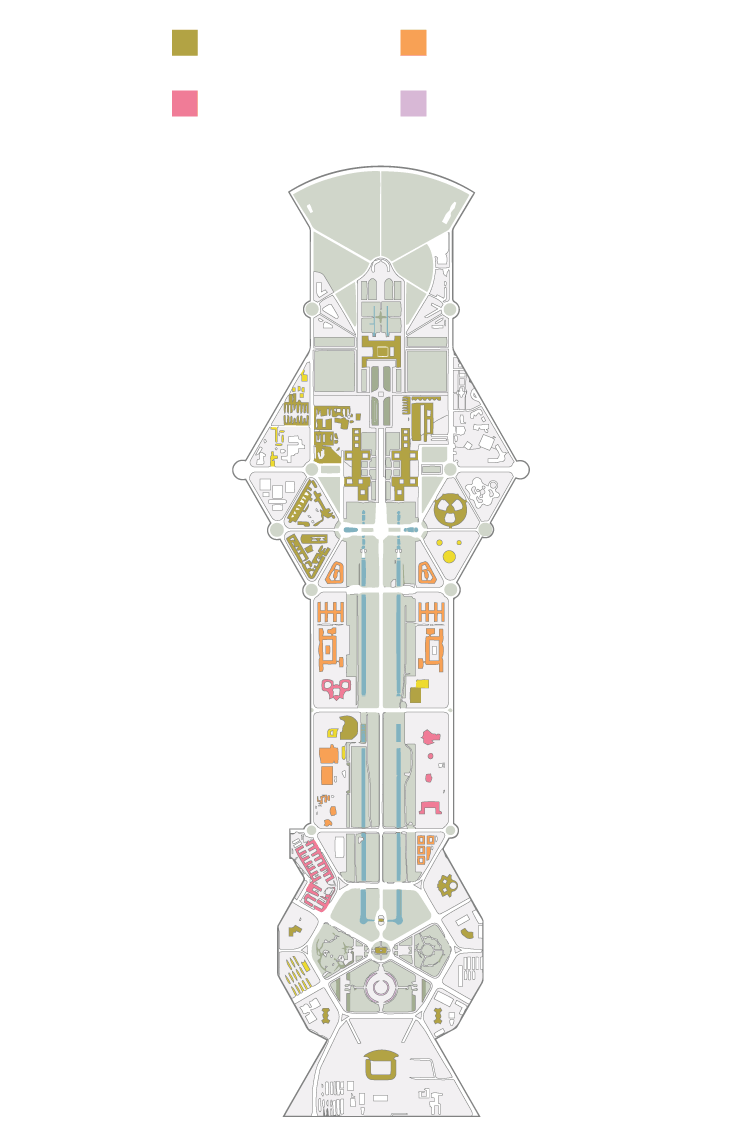
India completes 75 years of independence this year. As part of the 75th anniversary celebrations, the country has undertaken a massive rehaul of its national mall. This urban project is going to be the most drastic changes to the vista since it was built in 1931. Here is an evolution of the project.

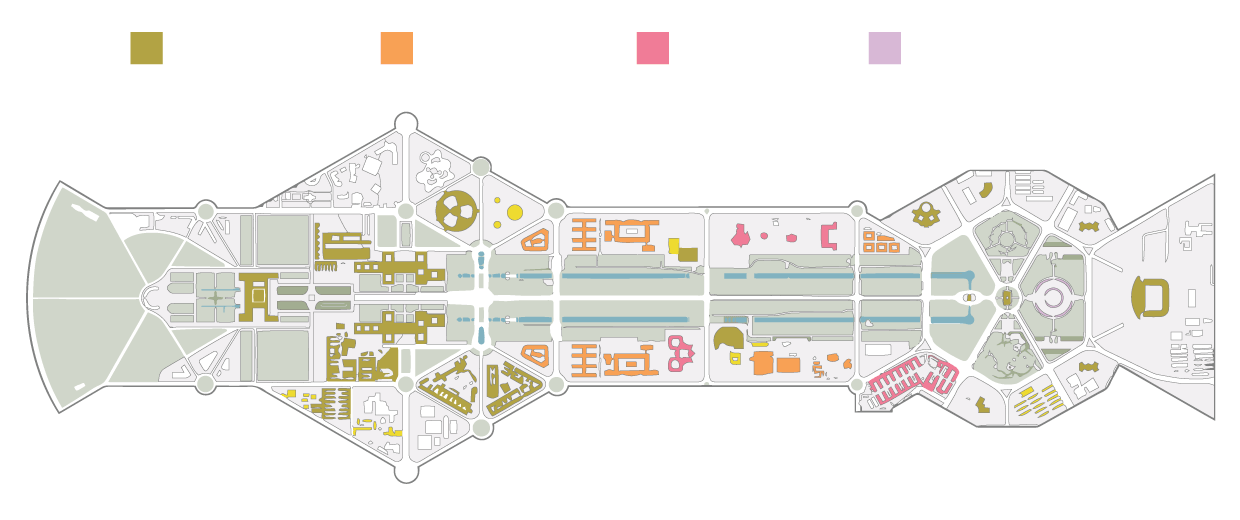
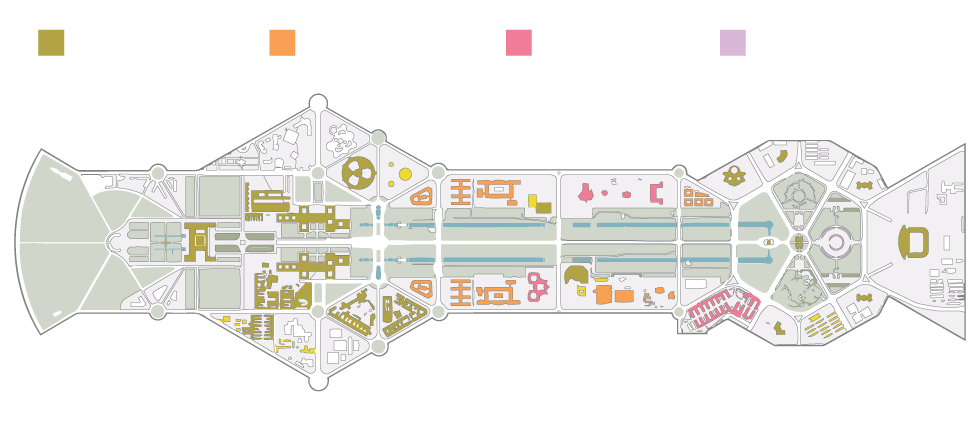
In 1931, New Delhi became the official capital of British India. Prior to that, Calcutta had been the biggest city and capital of the Empire. This move to Delhi was seen as a way for the empire to consolidate its power across South Asia. After Independence, several of these buildings were repurposed to suit the needs of the new democracy. The Viceroy House had become the house of the Indian President. Several new buildings emblematic of post indpendence modern Indian architecture came across the axis.
2000s - Present

1930s - 1940s

1950s - 1960s

1970s-2000s

Parliament

North

Block

National

Archives

Rashtrapati

Bhawan

RAJPATH

India Gate

National

Museum

South

Block

1930s - 1940s

1950s - 1960s

2000s - Present

1970s-2000s

Parliament

North

Block

National

Archives

Rashtrapati

Bhawan

RAJPATH

India Gate

National

Museum

South

Block

1930s - 1940s

1950s - 1960s

1970s-2000s

2000s - Present

Rashtrapati

Bhawan

North

Block

South

Block

Parliament

RAJPATH

National

Archives

National

Museum

India Gate

From the 1980s, only a few structures were built. The Indira Gandhi Centre for National Arts was built in the mid 80s. The Jawahar Bhawan which houses the Ministry of External Affairs opened up in 2011. The National War Memorial which opened up in 2019 was the latest change to the Central Vista.